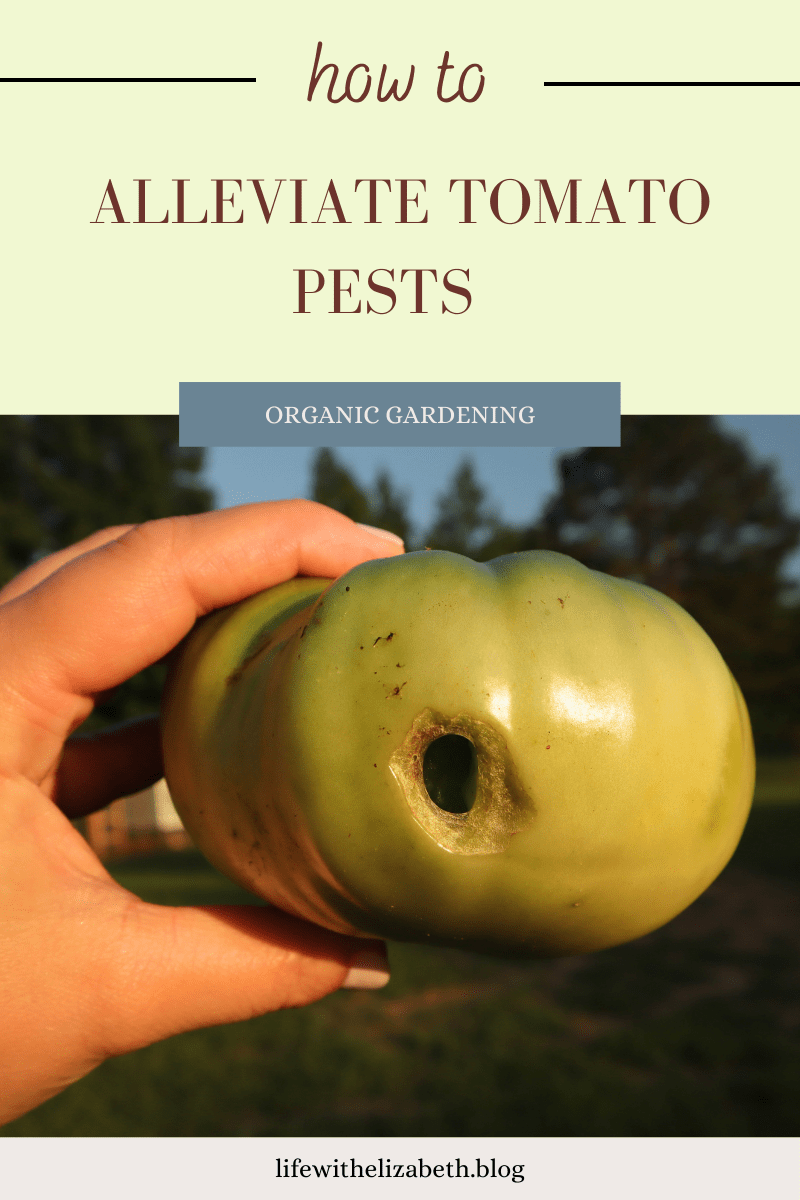
While this is arguably the best time of the year for a gardener, bringing about baskets of goods each trip to and fro your growing space; it is also the most challenging time of year. What do I mean? Pests. A lot of pesky, persistent pests.
Furthermore, pests bring about challenges that cause novice gardeners to think they have failed.
The reality is, you have not failed. Pests will occur regardless of how well you plant, fertilize, and tend to your garden. They are a naturally occurring part of our ecosystems and micro-systems, though annoying because they do things like eat holes in your tomatoes.
This is part 1 of what could be a rather long series for pest control and remediation in an organic garden.
And because most novice or experienced gardeners always aim to grow a lot of tomatoes, we will start there.
The Tomato Pests
In all honesty, I don’t even know where to start as far as tomato pests are concerned because there are so many.
Tomatoes are finicky boogers from the time you plant the seed until you harvest that first juicy fruit.
Under no incorrect circumstances will they thrive. You will battle blight, blossom end rot, horn worms, aphids, root rot, and the list could go on.
However, management of these problems is plausible with the right knowledge.
Let’s jump in.
The Horn Worm

This pest bothers me above all others because…well…JUST LOOK AT IT!
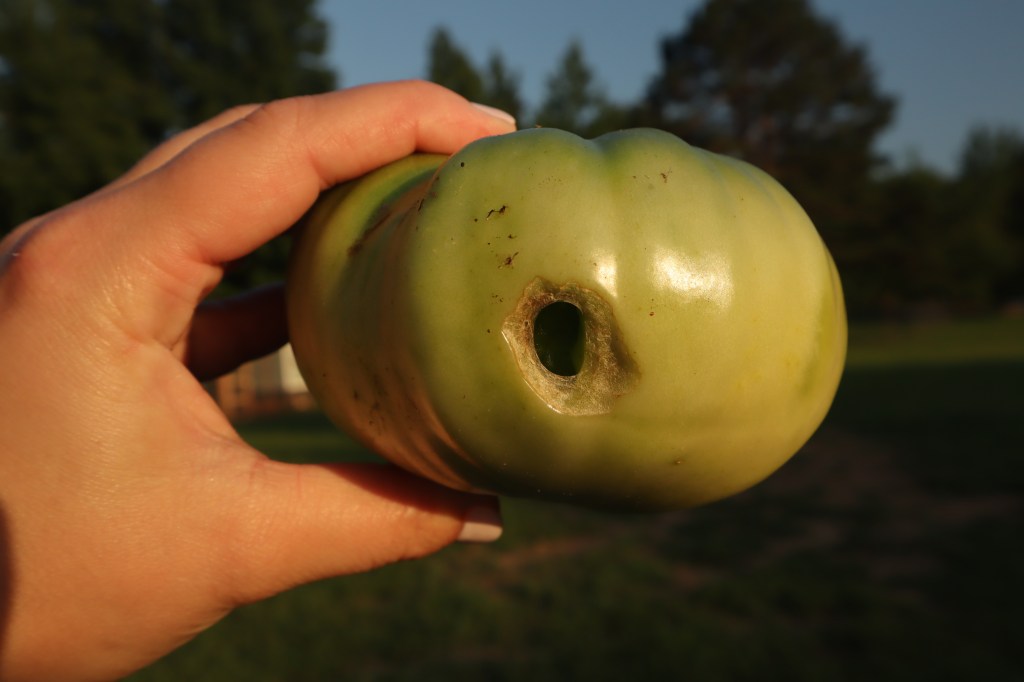
It looks evil. The damage one of these neon green, single horned, fat belly creatures can do in such a short amount of time is enough to make you want to give up gardening immediately.

Tale-tale signs of hornworms are the stripping of leaves (pictured above), holes in your tomatoes, and large black poop droppings.
However, the trick is to stay on top of them. Meaning locate them, remove them, and terminate them. I prefer utilizing a closed loop system of sorts where I save my tomatoes and my chickens get a treat.
Removing the horn worm from your crop is the best solution. Horn worms arrive by surviving “winters as pupae and emerge as adult moths in spring. After mating, females deposit oval, smooth, light green eggs on lower and upper leaf surfaces. Caterpillars hatch, begin to feed, and are full-grown in three to four weeks.” Source.
There are insecticides one can use to aid in their removal, however I opt for the chemical free route as much as possible.
Aphids
Aphids are little white bugs that cover the leaves of your tomato plant. Aphids are relatively manageable through intercropping and if their presence becomes too great, neem oil is a great option.
Note: Only spray neem oil in the early, early morning or late in the evening as it can be harmful to our pollinator friend: the honeybee.
Blossom End Rot
Are you having a lot of tomato blooms, the beginning of a fruit forming, only to be left with a mushy black end before maturity?
Blossom end rot is not so much a pest problem as much as it is a soil deficiency problem but it is worth mentioning.
Blossom end rot is indicative of calcium deficiency and can be remediated by grinding up egg shells into a powder and lighting mixing in the soil at the base of your plants.
Preventative care is the best option when battling soil deficiencies and are mostly avoidable if you amend your soil with compost and natural fertilizers like bone meal, blood meal, egg shells, fish car-cases, and banana peels buried in your soil.
Root Rot
Root rot is a sign that your soil lacks the ability to drain properly, which then causes water retention and an overwhelming affect on your plants root system.
This is the main reason I prefer to grow tomatoes in raised beds as I have never had an issue with root rot.
If your soil is too clay like, adding a chunky compost in the fall, sand, and/or vermiculite can help.
Birds
I think we forget our flying friends. While not super common, it does happen every so often that the birds make it to your ripe fruit before you do.
One chemical free way to outsmart them is to hang Christmas ornaments on your vines. They will peck the ornament a time or to with no payoff and move along to a different food source. I recommend that the ornament be round and spherical, simulating as much of a tomato as possible.
Do you have any organic methods of pest management in your home garden?
 Life with Elizabeth